Abrasive selection shapes almost every part of a blasting job, from finish quality to cleanup time. For decades, most crews reached for silica sand or slag without much thought. That habit is finally changing.
Crushed recycled glass has become a go-to media for surface prep crews who care about safety, speed, and cost. Here's why the shift is happening and what it means for your next project.
Why Crews Are Rethinking Sand and Slag
Worker health is the biggest reason for the change. Blasting with silica sand throws off respirable crystalline silica, the fine dust behind silicosis. Back in 1974, NIOSH recommended prohibiting silica sand as a blasting abrasive and switching to less hazardous materials. Silica exposure is also tied to lung cancer, COPD, and kidney disease.
Today, OSHA's silica rules cap worker exposure at 50 micrograms per cubic meter over an eight-hour shift. That limit puts real pressure on any crew still blasting with sand.
Slag picked up much of that work, but it brings its own baggage. Some slag products carry trace metals, which can complicate handling and disposal. Slag is also heavy, so crews haul more weight to cover the same surface area.
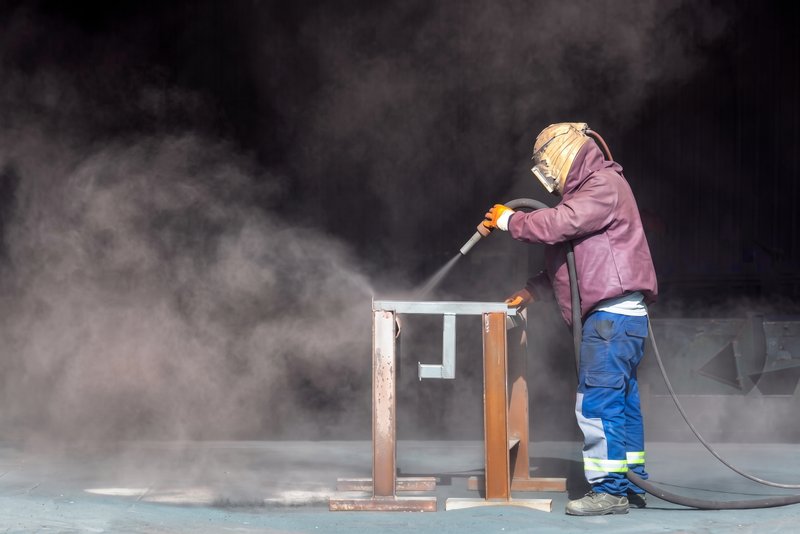
What Makes Glass a Smarter Abrasive
Glass blasting media starts as recycled bottles and plate glass. Processors crush and screen it into sharp, angular grains that bite into paint, rust, and mill scale. Because glass is amorphous rather than crystalline, it contains no free crystalline silica. That makes it a far friendlier abrasive for the people holding the nozzle. Crews also avoid the trace metal concerns that come with many slags.
It's a big part of why Vitrogrit and Enviro-Grit carry a NIOSH recommendation and California Air Resources Board certification. Glass is also lighter than slag. Lower density means you can often use up to 50% less material for the same job.
The recycled angle is a nice bonus too. Every bag keeps glass out of landfills and supports green building goals on remodels and renovations. Still, most crews switch for the performance, and the environmental story simply comes along for the ride.
Performance Benefits on the Blast Line
Safety gets glass through the door, but results keep it on the job site. Crews who switch to a glass abrasive often notice a few differences early on:
- Fast cutting action. Angular grains strip coatings and corrosion quickly, which helps keep production rates up.
- A clean, bright finish. Glass leaves a uniform surface that's ready for primer, paint, or powder coat.
- Lighter bags. Lower bulk density makes filling the pot easier on backs and shoulders.
None of this makes glass a magic fix for every substrate. It's simply a well-matched tool for a wide range of everyday surface prep work. It also pays to check your coating manufacturer's surface profile specs before you commit to a grade.
Matching Grit Size to the Job
Picking the right grade matters as much as picking the right material. Coarse blends handle heavy depainting and rust removal on tanks, bridges, and ship hulls. They also scour well in corners, pits, and weld seams. Medium grit is the workhorse for structural steel, concrete aggregate exposure, and elastomeric coatings.
Fine grades move fast on jobs that need a smooth, clean profile, including parts headed for powder coating. Super fine works best on aluminum, fiberglass, and other substrates that need minimal etching. It's also handy for cleaning welds, bolt heads, and restoration pieces. The size brochures and SDS sheets break down each abrasive grade in more detail.
Not sure where to start? Many crews keep a medium blend on hand as their default. They add coarse or fine grades for specific jobs. A quick test patch on the actual substrate will tell you more than any chart.
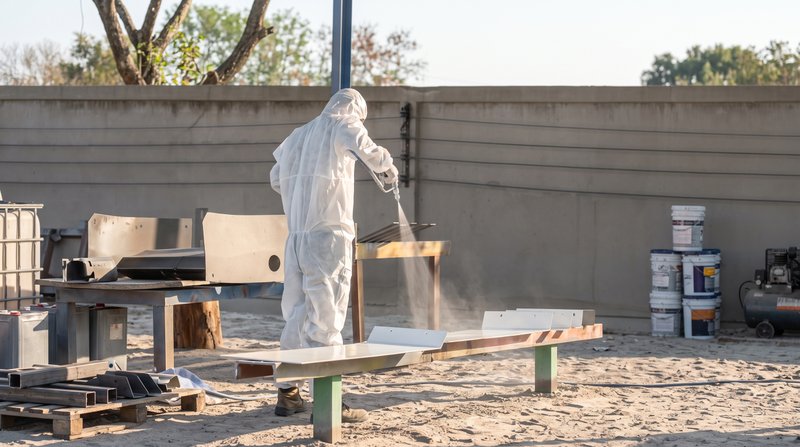
Abrasive Blasting Cleanup Costs Less With Glass
Every bag you blast is a bag you eventually sweep up. When a job needs less media, crews spend fewer hours on cleanup. They also pay less to haul spent material away. Lower weight trims freight costs on the way in, too.
Those savings add up on big projects. A bridge or tank job can burn through pallets of media over a few weeks. Cutting that volume means fewer deliveries, fewer dumpsters, and less time on work that doesn't move the job forward.
Here's the honest caveat. Spent media picks up whatever you strip off, so lead paint and other hazardous coatings still need proper handling. Coatings and substrates can also contain silica. That means a safer abrasive doesn't replace good respiratory protection. OSHA's fact sheet on blasting materials is a solid reference for building a safe setup.
Where Glass Fits in Your Surface Prep Plan
Glass won't replace every abrasive in every shop, and it doesn't need to. For crews who want safer air, strong cutting power, and less material to manage, it deserves a serious look. The best way to know is to run it on a real job and compare the results yourself. Grab a few bags, dial in your pressure, and see how it cuts.
TriVitro has produced glass products since 1996, starting in Seattle and growing to a high-production facility in Kent, Washington. Our Vitrogrit and Enviro-Grit media are made in the USA and sold through distributors across the country. That means your usual supplier may already carry them or can get them quickly.
If you're weighing a switch for an upcoming project, send the TriVitro team a message. We're happy to talk through grit sizes, your substrate, and where to find product near you.